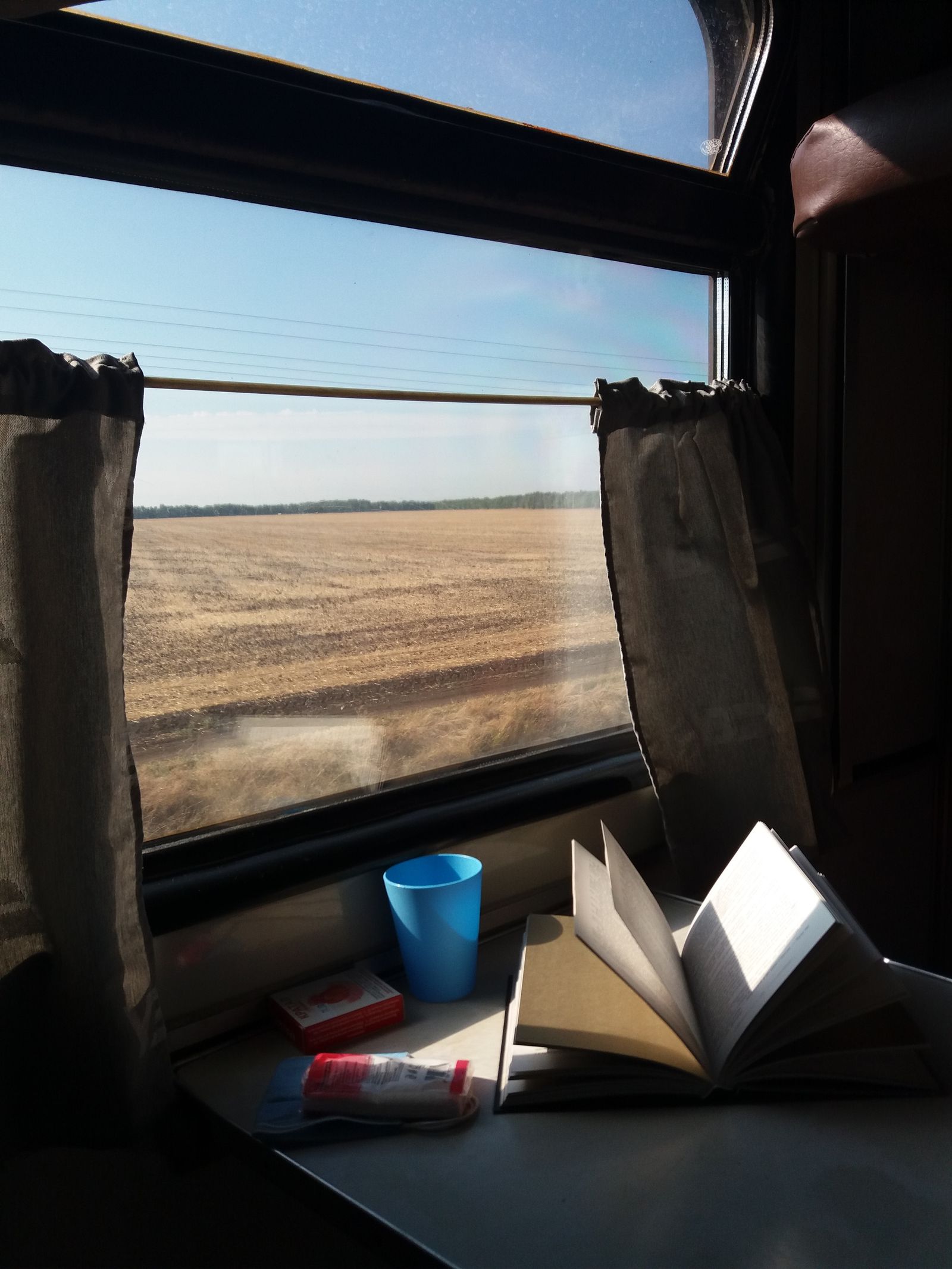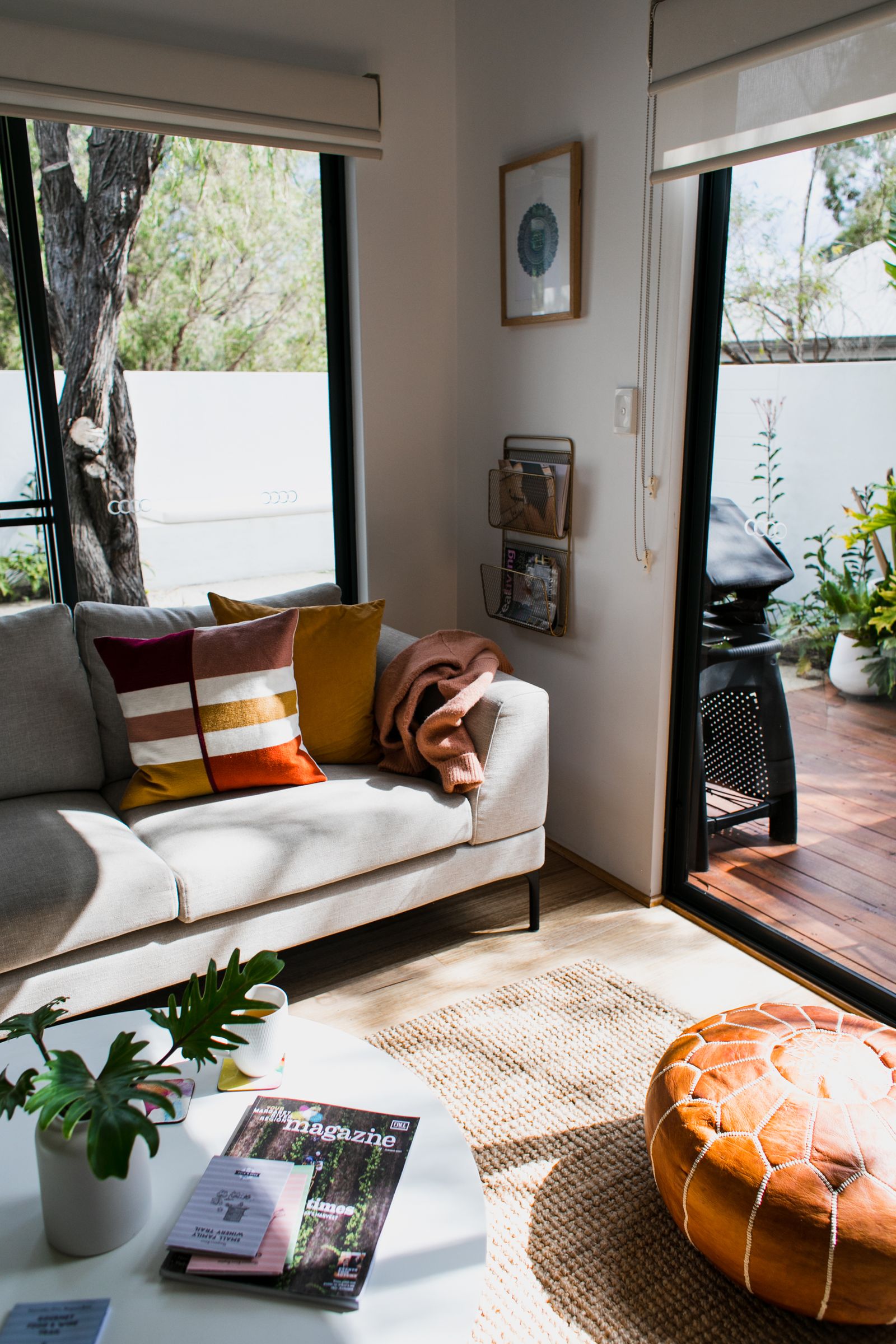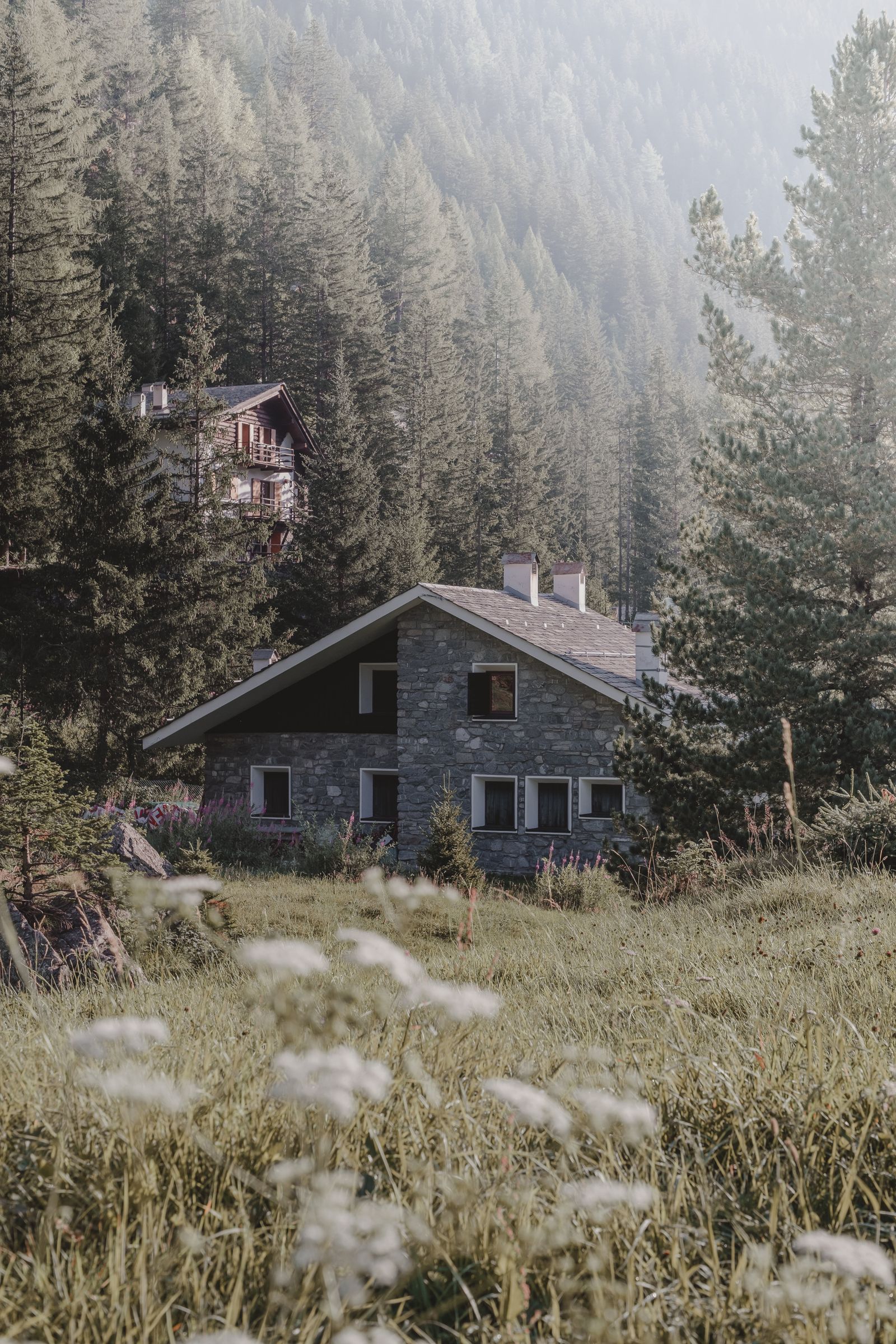
The cabin had no television, patchy signal, and a woodstove with strong opinions. We arrived Friday after dark with one duffel bag between us and left Sunday feeling like we had been gone a week. Here is exactly how the forty-eight hours unfolded — and the packing philosophy that made them easy.
Pack for the cabin, not the camera
Mountain weekends punish overpacking: everything you bring must be carried, dried, and repacked. My list fits in a single duffel — thermal base layer, one heavy knit, a shell jacket, two pairs of wool socks, sturdy boots already broken in, a paperback, and a headlamp. That is the whole list, and I have never missed anything I left behind.
Two days, one duffel bag, and a cabin with no television.
The slow itinerary
Saturday began with coffee on the step while the valley filled with light — no summit to bag, no trailhead queue. We walked the ridge path for three unhurried hours, ate lunch standing up at a farm shop, and spent the afternoon doing nothing with unusual commitment: stove lit, book open, snow ticking at the windows.
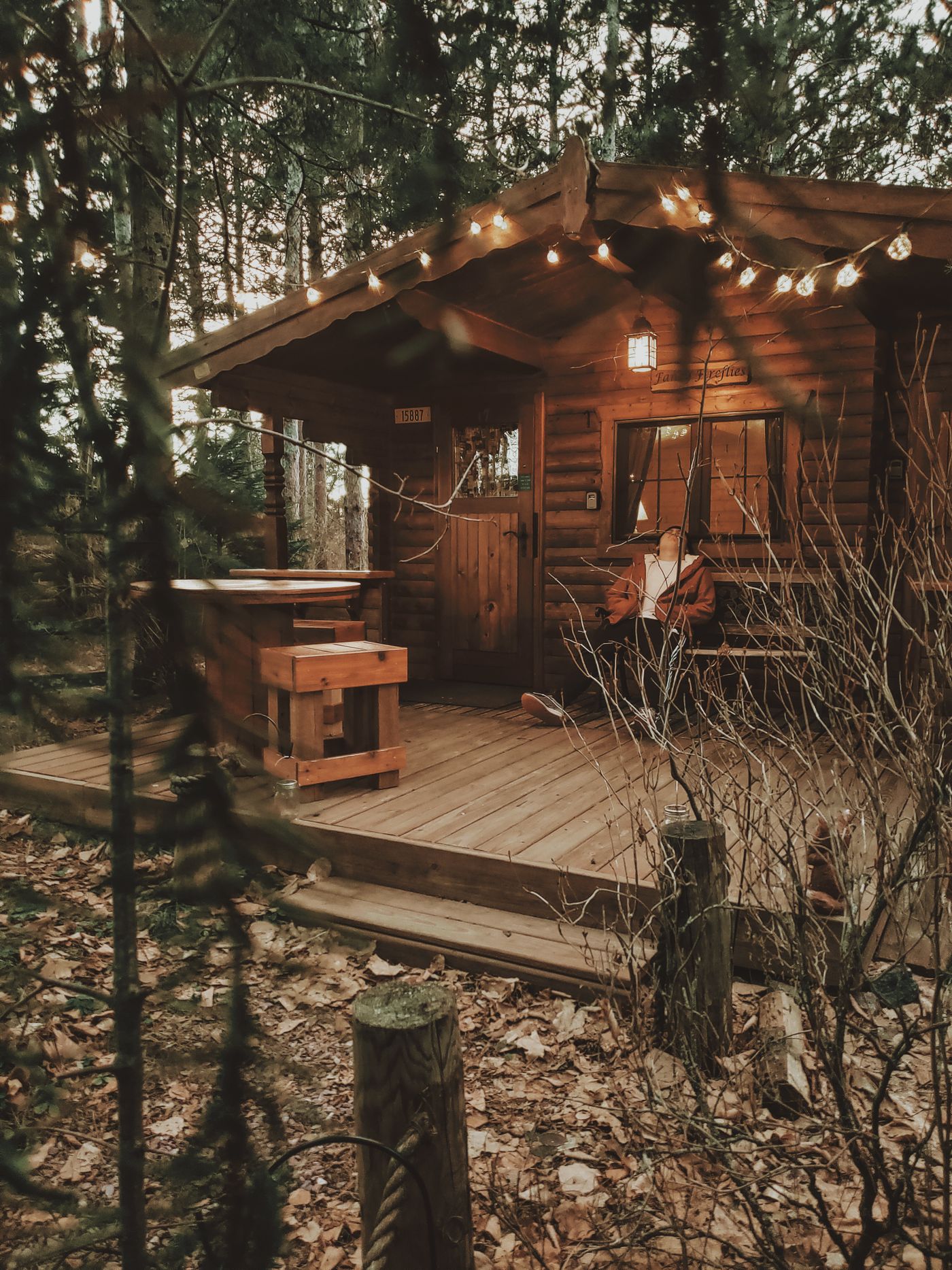
Route planning, cabin edition: one paper map and nowhere to be.
What I’d repeat
- aArrive after dark on purpose — waking up to the view is the best part.
- bOne anchor walk per day, planned loosely, abandoned freely.
- cCook one real dinner over actual heat; it tastes like an achievement.
- dLeave Sunday morning unscheduled — the drive home is part of the trip.
What the mountains taught me
Altitude simplifies. Without errands, feeds, and background noise, the day organizes itself around light, hunger, and tired legs. I came home and protected one version of that rhythm: a phone-free first hour, every morning, no exceptions. It is the cheapest souvenir I have ever brought back.

Written by June Saltmarsh
June writes Saltmarsh Journal from a sunlit rental in Sausalito and takes every mountain weekend she can talk someone into.